How Freight Transportation Works Within the UK

Freight transportation within the UK involves coordination between shippers, carriers, and consignees. Route planning typically considers distance, delivery windows, vehicle capacity, and traffic conditions. Road services are commonly used for door-to-door deliveries and time-sensitive shipments. Groupage services combine multiple smaller consignments into a single vehicle, which can be suitable for occasional or lower-volume needs. Individuals and companies may use these options depending on the nature of their cargo, required timing, and budget considerations. Each shipment is generally initiated by a request, followed by a cost estimate and handover to the driver.

About Our Approach to Freight

Island Freight operates within the UK freight transportation sector, focusing on road transportation and groupage services. Road transportation involves the movement of full loads directly between locations, while groupage consolidates multiple smaller shipments into a single vehicle. Both methods are available for private individuals and companies. The process begins with a request, followed by a cost calculation based on route and cargo details, and concludes with the transfer of cargo to the driver. This structured approach is designed to provide clarity at each stage and is subject to the specifics of each individual request.

Two male couriers discussing and signing a clipboard in a warehouse setting, surrounded by packages.

General Stages of Organising a Freight Shipment

  • 01

    Submitting a Request

    Providing shipment details such as cargo type, dimensions, weight, and preferred collection and delivery locations.

  • 02

    Calculating the Cost

    Reviewing the submitted information to prepare a cost estimate based on distance, cargo characteristics, and service type.

  • 03

    Agreeing on the Route

    Confirming the planned route and schedule, taking into account collection points and delivery addresses.

  • 04

    Handing the Cargo to the Driver

    Transferring the cargo to the assigned driver at the agreed location and time, with relevant documents.

Client Feedback on the Process

Submitting a request was straightforward, and the cost calculation was explained clearly. Handover to the driver took place at the agreed location and time, with no unexpected steps.

John Mercer

The team described each stage, from initial inquiry to the final handover. The cost breakdown was transparent, and the driver confirmed details before collection, which helped with planning.

Priya Shah

Communication about the request and cost was prompt, and the handover process followed the outlined steps. The driver arrived as arranged, and the overall process was clear.

Alistair Doyle

Factors That May Affect Freight Transportation

Several elements can influence freight movement between UK cities. Distance between origin and destination, the nature and size of the cargo, and routing considerations such as road networks and congestion may all play a role. These factors interact in complex ways, and their impact is conditional on external variables like weather, traffic, and regulatory requirements. Understanding this helps set realistic expectations, but outcomes depend on multiple circumstances and cannot be guaranteed.

How Road Freight Methods Are Structured

Island Freight works with two principal methods of road transportation within the United Kingdom: full truckload (FTL) and groupage (LTL). Under the full truckload approach, a single vehicle is allocated to one consignment, with a direct route between collection and delivery points and no intermediate handling. Groupage, by contrast, combines multiple consignments in one vehicle; each is consolidated at a hub, sorted and forwarded onward according to planned schedules. The appropriate method depends on consignment volume, loading capacity, timing and route characteristics and is assessed per individual request. Practical organisation involving several carriers is rarely uniform, and therefore collection, transit, sorting and delivery phases call for separate documentary and operational attention.

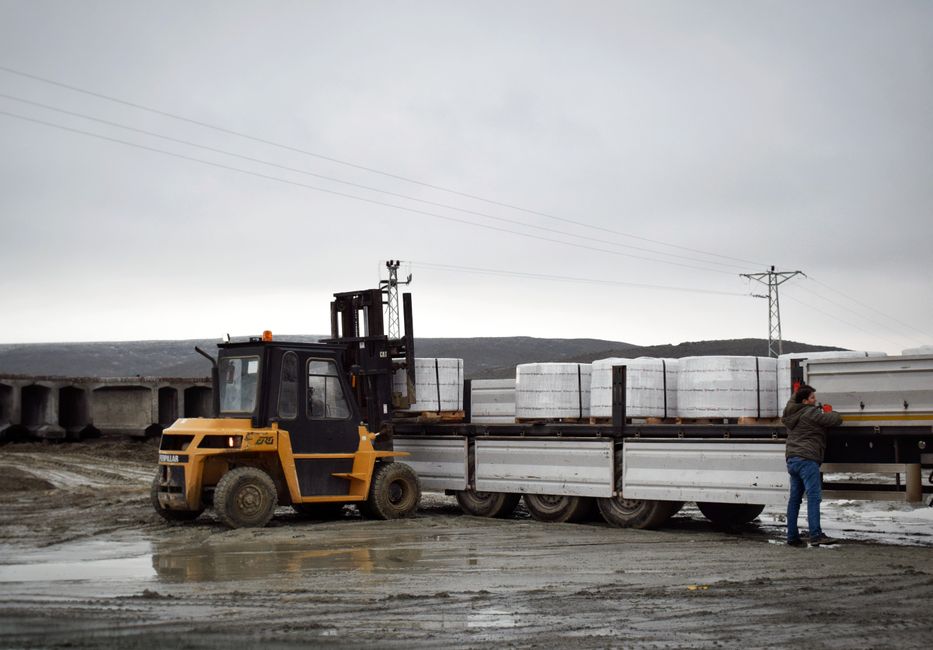
A forklift is loading cargo onto a truck in a muddy logistics area with a worker assisting.

How Route Calculation and Coordination Typically Unfold

  • 01

    Collection of Cargo Details

    Provides dimensions, weight, and pickup/delivery locations, along with any specific requirements, for accurate assessment.

  • 02

    Estimation of Cost

    Based on the supplied cargo details, factors like distance and shipmenttype inform a preliminary cost estimate.

  • 03

    Route Planning

    A route is proposed considering available vehicles and schedules, subject to coordination between all parties.

  • 04

    Coordination and Confirmation

    Final details are agreed upon, and the shipment is scheduled for handover to the driver.

Common Questions About Freight Transport Organisation

  • What does submitting a request involve?
    A request outlines the shipment details, including collection and delivery locations, cargo type, and preferred timing, which allows Island Freight to propose suitable transport arrangements for review.
  • How is the cost calculated?
    Cost calculation is based on distance, cargo dimensions, weight, vehicle type, and any specific service requirements, providing a transparent estimate that depends on the confirmed details.
  • What information is needed for the driver?
    For the driver, essential information includes exact addresses, contact names, access instructions, and any loading or unloading constraints, ensuring a smooth collection and delivery process.
  • How does the handover of goods typically occur?
    The handover process generally involves inspecting the goods, signing delivery documents, and recording any discrepancies, with responsibilities clarified between the parties involved at collection and delivery stages.
  • What if my shipment requirements change after the request?
    Requests can be updated prior to transport arrangement, as changes to volume, timing, or destinations. It is recommended to provide all updated information in advance.

Parties Involved and Documentation Framework

Freight transportation involves several parties, each with distinct roles. The client initiates the process by providing accurate shipment details, including weight, dimensions, and timing requirements, and prepares necessary documentation. The carrier, assigned by Island Freight, coordinates vehicle allocation, route planning, and regulatory compliance, acting as an intermediary between the client and the driver. The driver is responsible for the physical movement of goods, conducting pre-transport checks, and maintaining communication during transit. All parties rely on a shared framework of documentation—such as consignment notes and delivery receipts—and agreed communication channels to support coordination. The overall process depends on multiple external factors, including traffic conditions, weather, and administrative procedures. Island Freight facilitates this framework without assuming responsibility for specific outcomes, as circumstances can vary.

How Groupage and Road Transport Requests Are Structured

At Island Freight, groupage and road transportation are organised as transparent frameworks rather than fixed processes. Each request is submitted with details about the consignment, collection and delivery locations, and required timing. This information is reviewed to determine suitable vehicle types and whether groupage consolidation is appropriate. Cost estimates are then prepared based on factors such as distance, load volume and weight, and the use of shared or dedicated space. Written estimates outline the basis for the calculation, so those involved can assess the proposal against their own criteria.

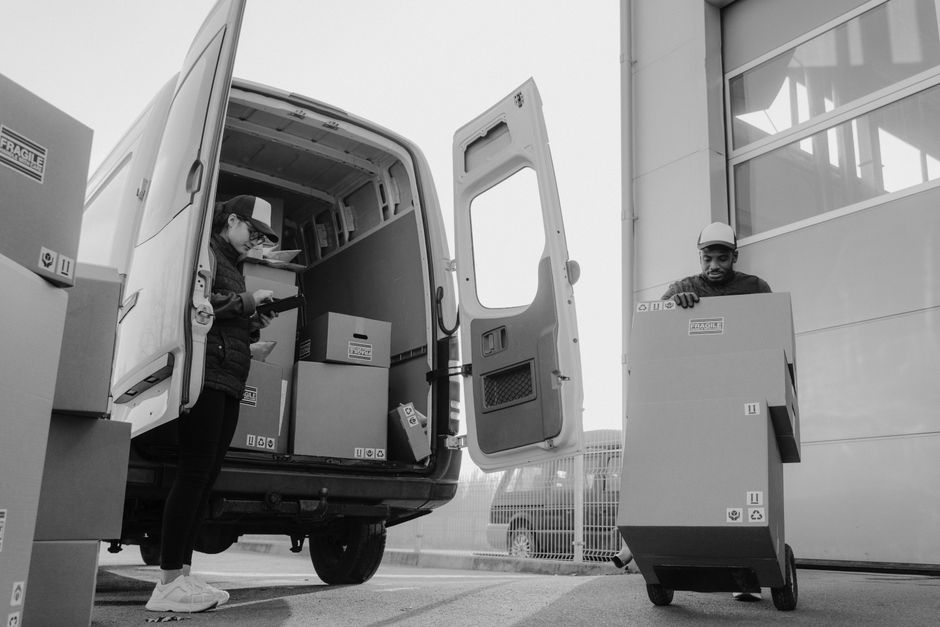
Delivery workers unloading packages from a van using a trolley at a distribution center.
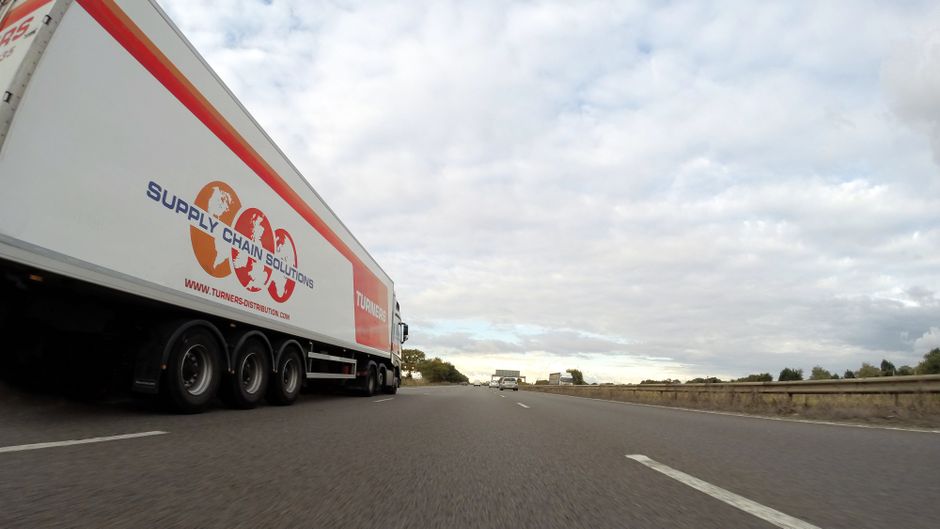
A large semi truck labeled 'Supply Chain Solutions' travels down a highway under a cloudy sky.

How Island Freight's Process is Structured

Request-Based Organisation

Each job starts with a submitted request; the company then reviews the details provided.

Cost Calculation

Cost estimates are based on submitted cargo details, distance, and current operational factors.

Route Planning

Routes between UK cities are planned according to vehicle availability and transport schedules.

Cargo Handover

Handover to the driver involves documented checks, with final arrangements confirmed at collection or delivery.

Scenes from Freight Operations in the UK

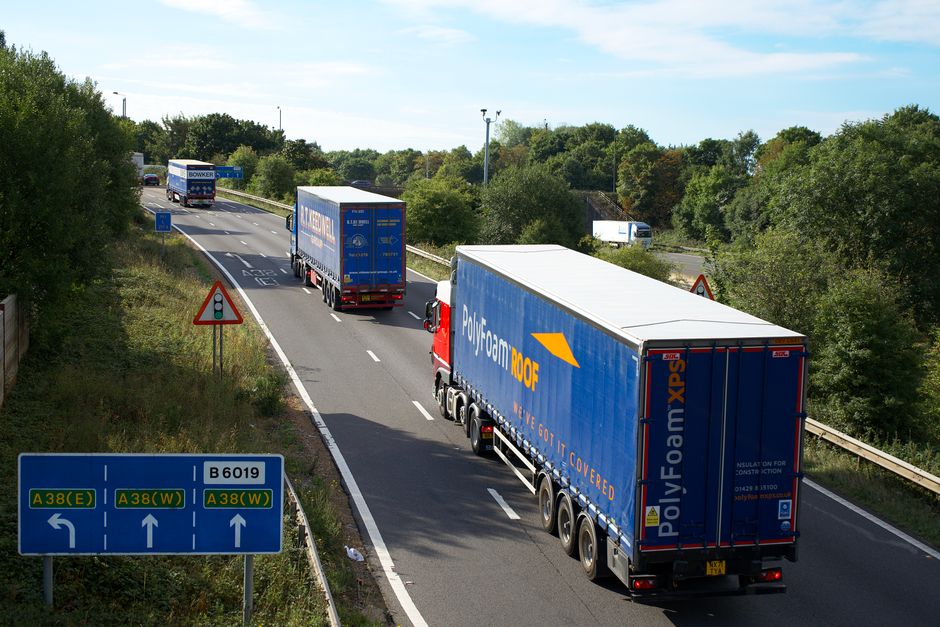
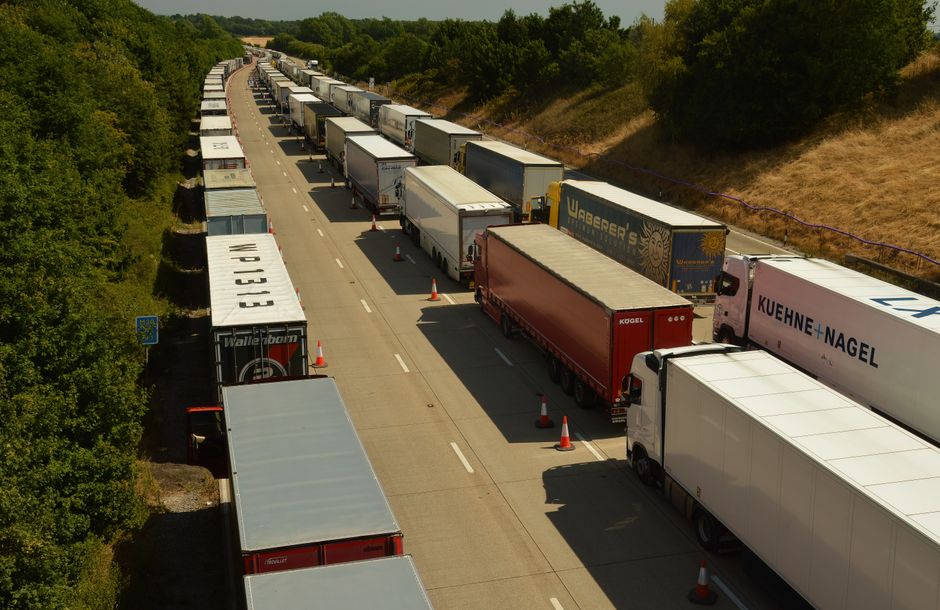
A collection of images illustrating vehicles, routes and logistics settings encountered in UK freight transport, reflecting the environments and everyday working contexts in which domestic goods movement takes place.
Cargo trucks on A38 highway, Mansfield, UK, surrounded by summer greenery and clear skies.
Drone shot capturing traffic jam of trailer trucks on a highway in England.
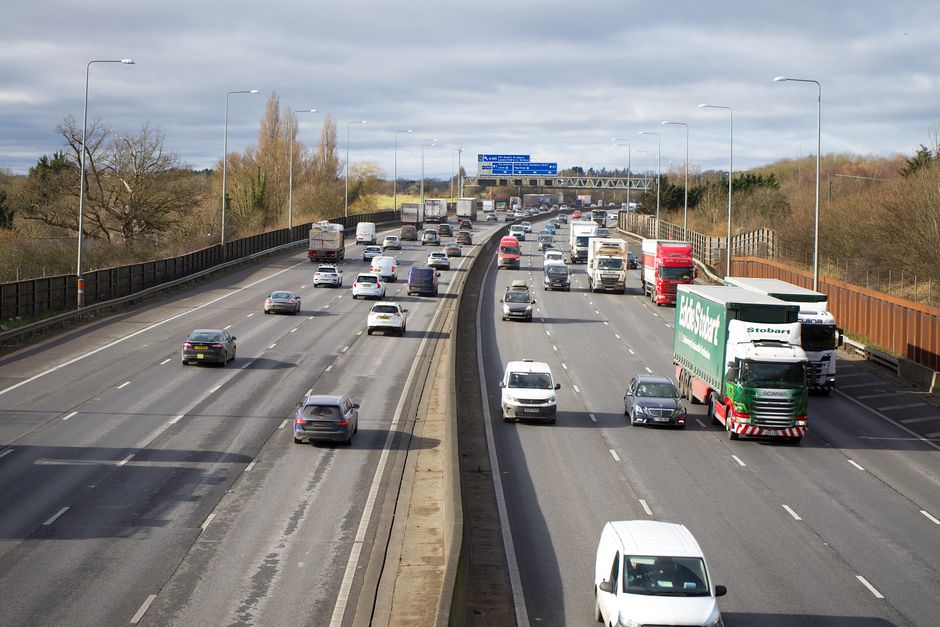
A dynamic view of cars and trucks on a busy motorway in St Albans, England.
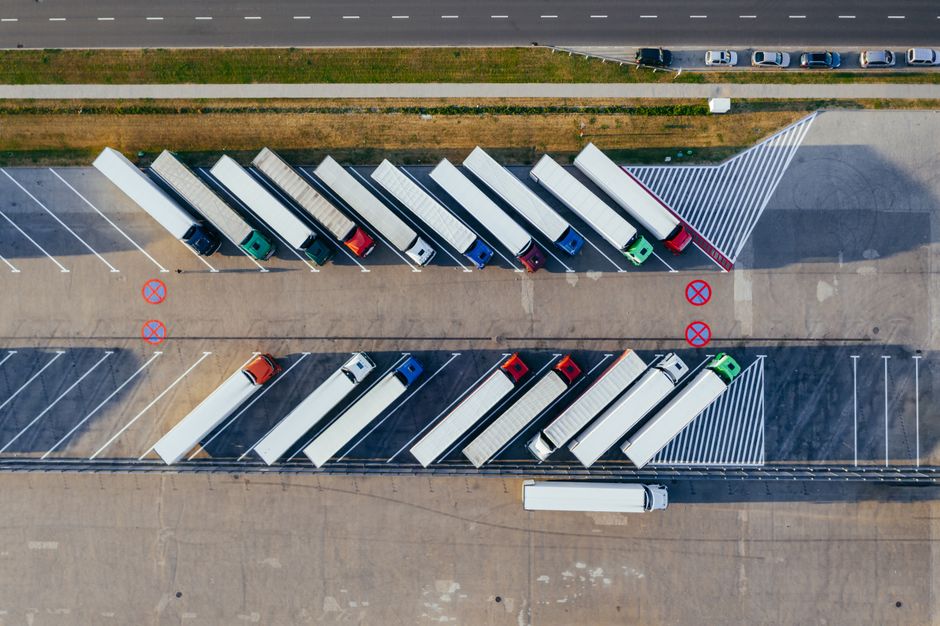
Overhead shot of semi-trucks parked in Poznań, Poland, demonstrating transportation logistics.

Regulatory and Practical Context for UK Freight Transport

Freight transportation within the UK operates within a framework of regulations that govern vehicle standards, driver hours, and load safety. Route planning typically involves considering road networks, congestion patterns, and delivery time windows, as well as any licensing requirements for specific vehicle types or cargo. Cost estimation for freight services generally depends on factors such as distance, shipment size and weight, fuel prices, and accessorial charges like loading or waiting time. For consolidated shipments, costs are often shared among multiple consignments, which may affect pricing structures. Island Freight provides informational resources on these aspects, but actual costs and transit times can vary based on operational conditions. This overview is for general guidance and does not replace professional advice or official regulations.

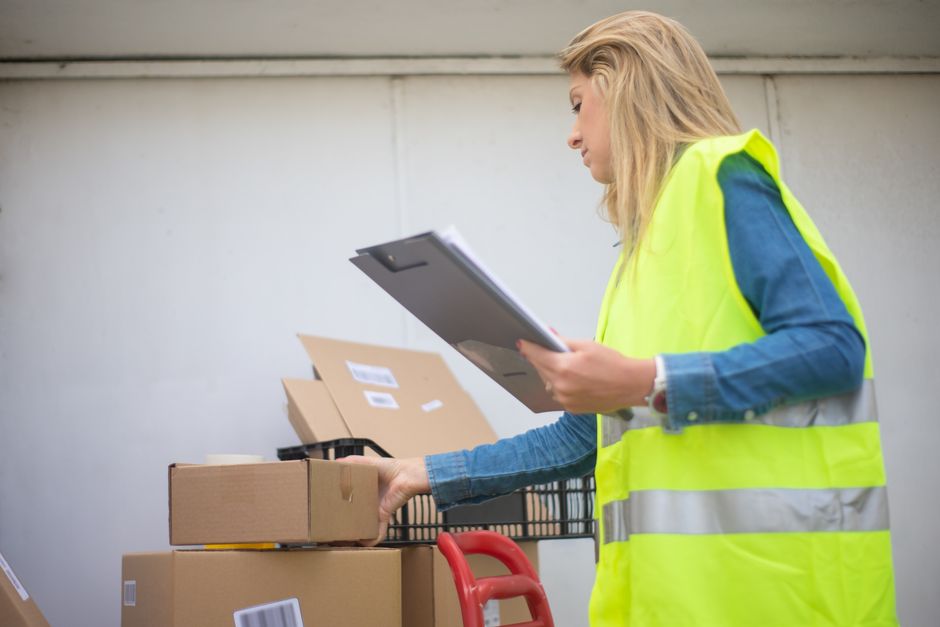
Woman in high-visibility vest handling boxes for delivery service inside a warehouse setting.

How We Handle Your Enquiry

Island Freight structures client communication around a clear request and calculation flow. You begin by submitting details of your cargo, route and preferred timing through our enquiry channel. A coordinator reviews the information, asks clarifying questions where needed, and outlines a calculation based on the data provided. We explain which information affects route planning and pricing, including vehicle type, load size and collection or delivery constraints. Clients receive the assumptions behind each calculation in written form, so they can check it against their own requirements. Further correspondence addresses adjustments, documentation and handover arrangements. Each stage is recorded and referenced, giving both parties a shared basis before any transport is confirmed.

A delivery worker in gloves checking documents on a clipboard by a van.

Service Methods and Estimates

  • Road Freight

    Direct full-load transport between UK cities, suited to larger consignments and dedicated vehicle use.

  • Groupage Option

    Shared-load services that combine smaller consignments, with routes and schedules set by the carrier.

  • Conditional Estimates

    Cost and timing estimates depend on distance, load specifics, and current operational factors.

  • Transparent Process

    Each request involves a review of requirements before a detailed calculation is provided.

Request Freight Transportation

Submit your shipment details to receive a cost estimate and route proposal. Information required includes cargo type, weight, dimensions, origin and destination postcodes, and preferred timing.

Submit Your Freight Inquiry

We use cookies

We use cookies to ensure the proper functioning of the website, analyze traffic, and improve your experience. You can accept all cookies or reject them — the site will continue to operate. For more details, read our Cookie Policy.